Nature
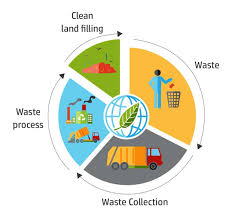
Living close to nature often necessitates a heightened awareness of waste management practices and their impact on the environment, particularly regarding water sources. Improper disposal of waste, from household garbage to industrial byproducts, can lead to soil contamination and subsequent leaching of pollutants into groundwater and nearby surface water bodies. This contamination can render water unsafe for drinking, agriculture, and recreational use, disrupting ecosystems and posing significant health risks to both humans and wildlife reliant on these resources. Therefore, sustainable waste management strategies, including reduction, reuse, recycling, and responsible disposal, are crucial to preserve the integrity of natural habitats and protect water quality in areas proximal to nature.
Safety
Safety measures are crucial for preventing accidents and ensuring well-being in various environments. These measures encompass a wide range of practices, including hazard identification and risk assessment, implementation of safety protocols and procedures, use of personal protective equipment (PPE), regular safety training, and adherence to established regulations. Effective safety measures minimize potential dangers and create a safer and healthier environment for everyone involved.